Undergrowth Removal in Gwinnett County, GA
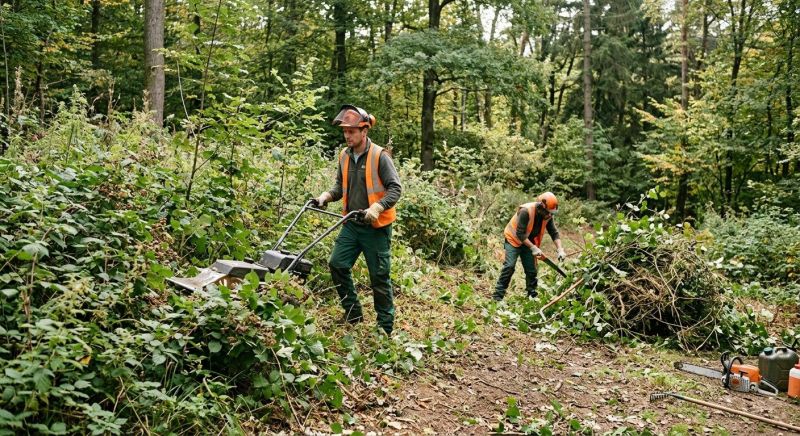
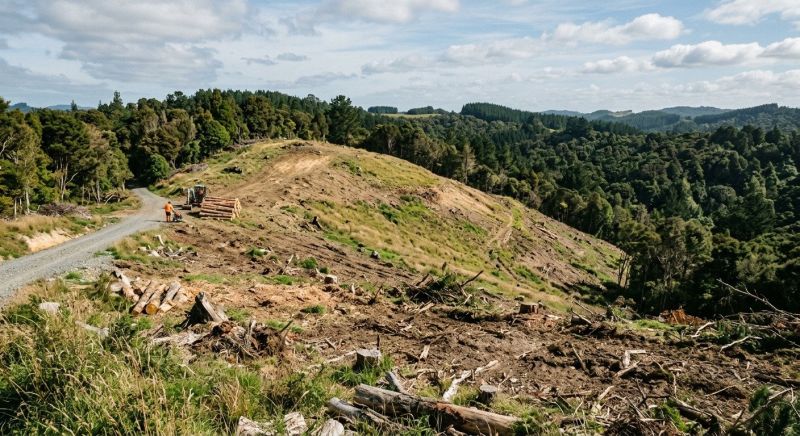
Undergrowth removal services focus on clearing dense vegetation, shrubs, and unwanted plant growth from residential properties. This service is often requested for projects such as preparing a yard for new landscaping, maintaining clear pathways, or removing overgrown areas that may attract pests or hinder property access. Property owners typically want to understand what types of vegetation can be removed, the scope of work involved, and how the process may impact the existing landscape. Clarifying these details helps ensure the project aligns with the property’s needs and aesthetic preferences.
Before requesting undergrowth removal, homeowners should consider the extent of the overgrowth, including whether it involves invasive plants, thick brush, or tangled shrubs. It’s also helpful to know if any trees or larger plants are involved, as well as the desired end result-whether clearing for safety, aesthetics, or future landscaping plans. Understanding the condition of the soil and surrounding structures can influence the approach taken, ensuring the removal process is efficient and suitable for the specific property.
Many property owners in Gwinnett County, GA look into Undergrowth Removal for repairs, replacements, upgrades, and appearance-related improvements.
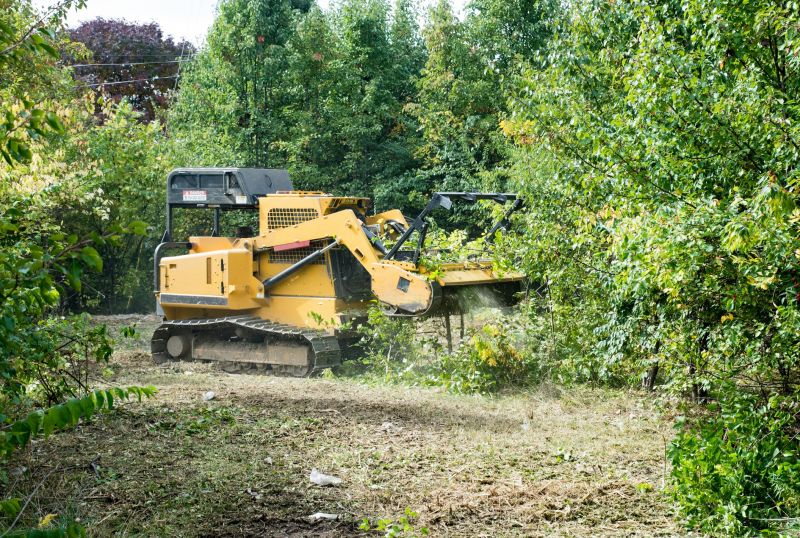
Clearing Overgrown Areas
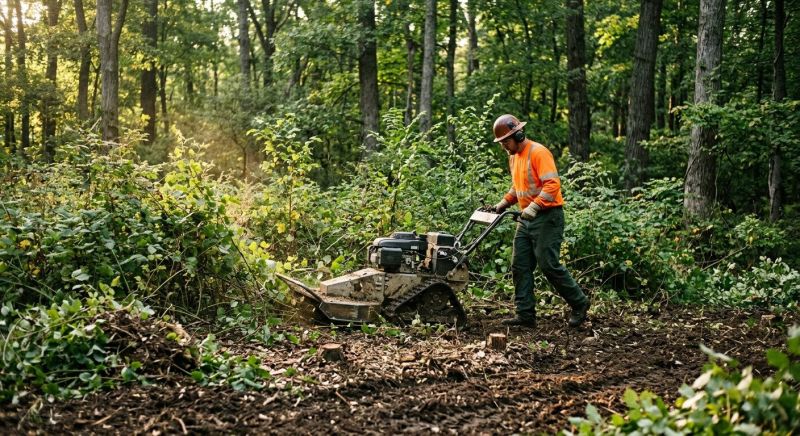
Removing dense undergrowth to improve yard accessibility and appearance.
Preventing Pest Habitats
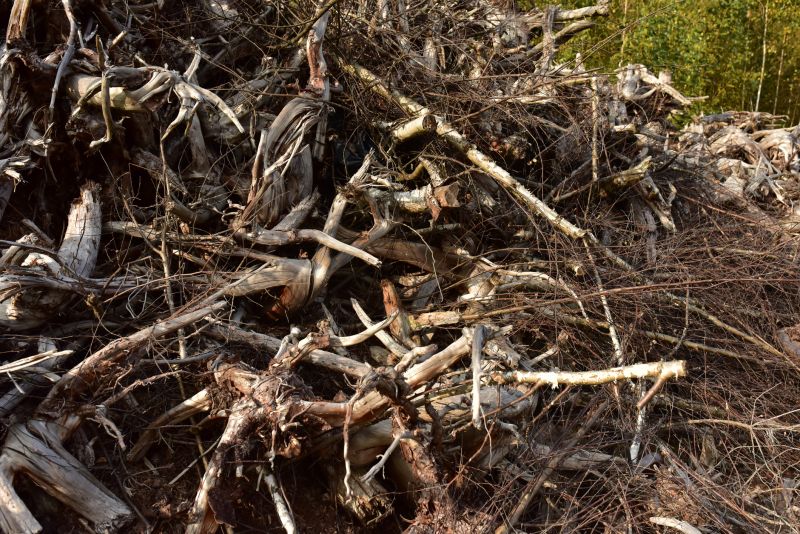
Eliminating thick underbrush that can harbor pests and rodents around properties.
Enhancing Property Safety
Reducing fire hazards and trip risks by managing overgrown vegetation in gwinnett county and nearby areas.
Undergrowth Removal in Gwinnett County, GA
Undergrowth removal services focus on clearing dense vegetation, shrubs, and unwanted plant growth from residential properties. This service is often requested for projects such as preparing a yard for new landscaping, maintaining clear pathways, or removing overgrown areas that may attract pests or hinder property access. Property owners typically want to understand what types of vegetation can be removed, the scope of work involved, and how the process may impact the existing landscape. Clarifying these details helps ensure the project aligns with the property’s needs and aesthetic preferences.
Before requesting undergrowth removal, homeowners should consider the extent of the overgrowth, including whether it involves invasive plants, thick brush, or tangled shrubs. It’s also helpful to know if any trees or larger plants are involved, as well as the desired end result-whether clearing for safety, aesthetics, or future landscaping plans. Understanding the condition of the soil and surrounding structures can influence the approach taken, ensuring the removal process is efficient and suitable for the specific property.
Many property owners in Gwinnett County, GA look into Undergrowth Removal for repairs, replacements, upgrades, and appearance-related improvements.
Common Undergrowth Removal Jobs
Overgrown Garden Clearing - removing dense undergrowth to improve yard visibility and accessibility.
Pathway and Driveway Maintenance - clearing underbrush that obstructs walkways and parking areas.
Property Perimeter Clearing - trimming back undergrowth to enhance security and boundary definition.
Wildlife Habitat Management - reducing thick undergrowth that attracts pests or unwanted animals.
Erosion Control Support - removing undergrowth that contributes to soil erosion on slopes.
Landscape Restoration - clearing invasive plants and overgrowth to promote healthy garden growth.
Undergrowth Removal Questions
What is undergrowth removal? Undergrowth removal involves clearing dense vegetation, shrubs, and small plants to improve the appearance and safety of a property.
When should undergrowth be removed? Removal is recommended when overgrowth begins to block pathways, reduce visibility, or pose fire hazards.
What types of properties typically request undergrowth removal? Residential yards, commercial landscapes, and vacant lots often require undergrowth clearing to maintain safety and aesthetics.
What are common reasons for removing undergrowth? To reduce fire risk, improve landscaping, increase property value, or prepare for new planting projects.
Request Undergrowth Removal in Gwinnett County, GA
Use the quote form on this page to share the basics of your project and request more information for the type of work you need.